Best Reef Tank Heaters
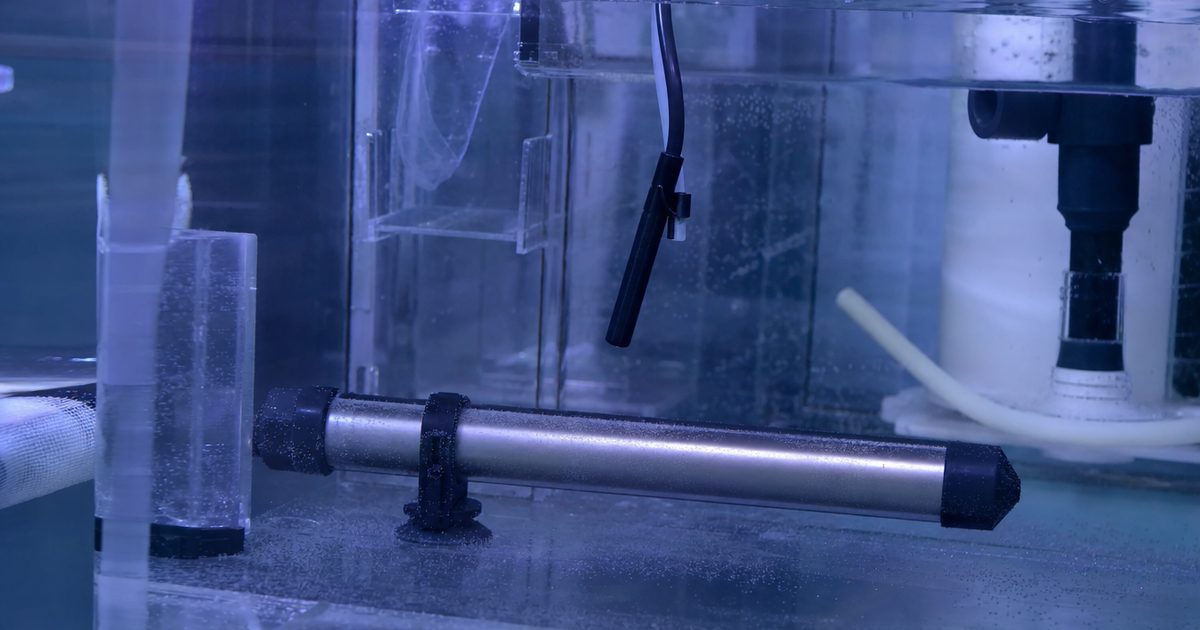
A reef lives or dies on stability, and steady temperature is the foundation of it. The best reef tank heater is not the most powerful one — it is the one sized to your water volume, run on a separate accurate controller, and ideally split across two units so no single failure can swing the tank. This guide explains the specs that decide the fit — type, capacity, accuracy, control and power — then matches them to five categories: best overall, best budget, best titanium, best with controller and best nano. The verified picks appear in each slot once real product data is in.
A note on how to read this. There is no single "best" heater for everyone — the right one depends on your tank size, how cold the room gets, whether you run one heater or two, and your budget. So the value here is the framework: what each spec changes, so you can shortlist a heater that suits your tank. Read the framework first, then look at the picks. Of all the gear on a reef, the heater is the one I am most cautious about, because a temperature swing is one of the fastest ways to lose coral — and chasing numbers while the basics drifted was part of what cost me my first tank. That is the whole reason this guide leads with accuracy, an independent controller and redundancy instead of raw wattage.
Specs verified against manufacturer details and current Amazon listings — no hands-on testing claims. Watt-per-gallon sizing is derived from published specs and established reef guidelines, not bench measurement. Livestock and stability guidance is general reef-keeping information, not veterinary advice — follow the manufacturer's instructions and test your own water.
How to choose a reef tank heater
A handful of specs decide whether a heater suits your reef. These are exactly the columns in the comparison below, and reading them in the right order — type and control first, then capacity — is most of the job. On a reef, how the heater fails matters as much as how it performs.
Type — titanium vs glass
Type is the first decision, and for a reef it usually points to titanium. Titanium heating elements are durable and shatter-resistant, where a glass heater can crack — and a cracked heater in saltwater is both a livestock and a safety problem. Spec-by-spec, titanium is the type built for the knocks and the long service life a reef demands, which is why it is the reef-standard choice.
The trade-off is that titanium heaters generally cost more than glass, and most titanium units rely on a separate controller rather than a built-in dial. That is a feature, not a drawback, for a reef — it pushes you toward the safer controller setup below. For a saltwater tank, titanium is the type worth the extra over glass.
Accuracy and control — the spec that protects the livestock
Accuracy and control are where reef heaters earn their keep, because steadiness matters more than raw heating power. Running a heater through a separate, accurate controller means temperature is regulated by a device independent of the heater's own thermostat. Spec-by-spec, that independence is what keeps a single stuck thermostat from cooking or chilling the tank — the controller cuts power at your set point regardless of what the heater's internal thermostat does.
The honest point is that this is the most important spec on the page, ahead of wattage. A precise, independent controller — ideally one with a high-temperature cut-off — is the cheapest insurance in the whole stability stack. The stability hub walks the controller setup in plain English, and the Reef Matcher gives a wattage band to pair with it.
Capacity — watt-per-gallon and redundancy
Capacity is the heater's wattage, and a common rule of thumb is roughly 3–5 watts per gallon, adjusted for how cold the room gets. Undersizing leaves the tank cold on a winter night; oversizing on a single heater raises how badly a stuck-on unit can swing the tank before the controller reacts. Spec-by-spec, capacity is best read together with redundancy, not on its own.
That is why many reefers split the heating across two smaller heaters on one controller rather than running one large unit. If one fails off, the other holds some heat; if one sticks on, a smaller unit does less damage. The trade-off is a little more cost and cabling. On anything but the smallest tank, splitting the wattage is the safer way to hit capacity.
Power and form factor — the practical fit
Two smaller specs round out the decision. Power draw tells you running cost, and form factor — the heater's physical length and whether it is submersible — tells you whether it fits your sump or tank. A long heater can be awkward in a small sump chamber or a nano, where a compact unit is the only thing that fits.
Settle these by checking the heater's length against the chamber it has to live in, and preferring a fully submersible unit so you can mount it in the sump out of sight. Getting this order right is how you avoid a heater with the right wattage and controller that simply will not fit where you need it — the spec sheet's quiet disqualifier on small systems.
The heaters compared
A short list of widely available reef heaters, compared on the specs above. Specs are verified against manufacturer details and current Amazon listings — no hands-on testing claims. Verified picks land once real product data is in.
| Best for | Type | Capacity | Accuracy | Control | Power |
|---|---|---|---|---|---|
| Best overall | Submersible glass | Multiple wattages (by tank size) | ±0.5°C | Dial thermostat with TrueTemp calibration | 25-300 W options |
| Best budget | Submersible (quartz/glass) | 20-300 gal (by wattage) | Not listed | Digital display, adjustable | 300 / 500 / 800 / 1000 W options |
| Best titanium | Titanium | Up to ~300 gal (by wattage) | Not listed | External digital controller | 300 / 500 / 800 / 1000 W options |
| Best with controller | Titanium with external controller | By wattage / tank size | ±0.5°F (pinpoint) | External digital LED controller | Multiple wattages |
| Best nano | Submersible (compact) | 15-20 gal | Not listed | Digital display, adjustable | 100 W |
Our top picks
Best overall: EHEIM Jager Aquarium Thermostat Heater (TrueTemp), Submersible Glass Heater

Best overall
EHEIM Jager Aquarium Thermostat Heater (TrueTemp), Submersible Glass Heater
EHEIM
- Type: Submersible glass
- Capacity: Multiple wattages (by tank size)
- Accuracy: ±0.5°C
- Control: Dial thermostat with TrueTemp calibration
- Power: 25-300 W options
The Eheim Jager is a long-standing glass thermostat heater known for reliable ±0.5°C accuracy and a calibratable dial. It is the best all-round reef heater for aquarists who want a proven, no-frills unit.
Last checked 2026-06-15
Best budget: MantaMaze Aquarium Heater 300W/500W/800W/1000W Submersible Heater with Digital Display for 20-300 Gallon Tank

Best budget
MantaMaze Aquarium Heater 300W/500W/800W/1000W Submersible Heater with Digital Display for 20-300 Gallon Tank
MantaMaze
- Type: Submersible (quartz/glass)
- Capacity: 20-300 gal (by wattage)
- Accuracy: Not listed
- Control: Digital display, adjustable
- Power: 300 / 500 / 800 / 1000 W options
The MantaMaze heater offers selectable high wattages with a digital display at a budget price. It suits aquarists heating mid-to-large tanks who want adjustable output without paying premium.
Last checked 2026-06-15
Best titanium: hygger Titanium Aquarium Heater 300W/500W/800W/1000W with External Controller for Saltwater Freshwater Tank

Best titanium
hygger Titanium Aquarium Heater 300W/500W/800W/1000W with External Controller for Saltwater Freshwater Tank
hygger
- Type: Titanium
- Capacity: Up to ~300 gal (by wattage)
- Accuracy: Not listed
- Control: External digital controller
- Power: 300 / 500 / 800 / 1000 W options
The hygger titanium heater pairs a corrosion-resistant titanium element with an external digital controller, ideal for saltwater where glass heaters can fail. It suits reefers wanting a durable, shatter-proof heater.
Last checked 2026-06-15
Best with controller: hygger Pinpoint Saltwater Aquarium Heater with External Digital Temperature Controller

Best with controller
hygger Pinpoint Saltwater Aquarium Heater with External Digital Temperature Controller
hygger
- Type: Titanium with external controller
- Capacity: By wattage / tank size
- Accuracy: ±0.5°F (pinpoint)
- Control: External digital LED controller
- Power: Multiple wattages
The hygger Pinpoint adds a precise external LED controller for tight temperature holding, separating the control electronics from the in-tank element. It suits reefers who want accurate, adjustable control and an easy-to-read display.
Last checked 2026-06-15
Best nano: hygger Nano Aquarium Submersible Heater for 15-20 Gallon Fish Tank with Digital Display and Adjustable Temperature Controller 100W

Best nano
hygger Nano Aquarium Submersible Heater for 15-20 Gallon Fish Tank with Digital Display and Adjustable Temperature Controller 100W
hygger
- Type: Submersible (compact)
- Capacity: 15-20 gal
- Accuracy: Not listed
- Control: Digital display, adjustable
- Power: 100 W
The hygger Nano is a compact 100W heater with a built-in digital display sized for 15-20 gallon nano tanks. It suits nano reefers who need accurate heating in a small tank.
Last checked 2026-06-15
Who should buy what
The mixed-reef keeper — titanium on a controller, split in two
For most reefs, the best overall and best with controller slots point the same way: a titanium heater (or two) run on a separate, accurate controller. Spec-by-spec, this is the configuration that holds a steady temperature and survives a single stuck thermostat — the two things that matter most when the livestock is sensitive and expensive. It is the setup I run on my own mixed reef.
The trade-off is cost over a single dial-thermostat glass heater, but temperature stability is not where a reef should economise. Split the wattage across two heaters on one controller and you have built redundancy into the most safety-critical part of the stability stack. That margin is exactly what an early me, chasing numbers while the basics drifted, did not have.
The titanium-first buyer — durability and a long service life
The best titanium slot suits the reefer who wants the most durable element they can buy. Titanium is shatter-resistant and built for years of saltwater service, so the spec that matters is build quality paired with a controller — a titanium element is only as safe as the regulation around it. Spec-by-spec, titanium plus an independent controller is the long-haul stability choice.
The trade-off is the up-front price and the need to buy the controller alongside it. For a reefer thinking in years rather than seasons, that is the cheaper path — a quality titanium heater on a good controller is the kind of stability gear you fit once and largely forget, which is the goal.
The nano reefer — a compact heater that fits and stays gentle
The best nano slot suits small tanks, where form factor and gentle, accurate control come forward. On a nano, a small water volume heats and swings fast, so a compact, lower wattage heater with precise control matters more than raw power. The spec that decides it is often physical size — the heater has to fit a small back chamber or sump.
The trade-off is that nano tanks have little thermal buffer, so accuracy and a controller matter even on a small system. My own first reef was a nano, and steady temperature was one of the things I learned to take seriously precisely because a small tank punishes swings quickly. Match a compact accurate heater to the footprint and keep the controller in the loop.
The budget first build — protect accuracy and the controller
The best budget slot is for the first-time reefer keeping costs down. On a budget the things to protect are accuracy and the separate controller — the safety layer — rather than the heater itself. Spec-by-spec, a basic titanium heater on a decent controller beats a fancier heater run on its own thermostat alone, because the controller is what prevents the cook-or-chill failure.
The trade-off is fewer frills and perhaps a single heater instead of two at first. That is acceptable, provided the controller is in place — never cut the controller to save money, because that is the corner that risks the whole tank. Add the second heater for redundancy later; keep the independent controller from day one.
What to buy alongside the heater
A heater is the start of the stability stack, not the end of it — an ATO to hold salinity, dosing and test kits round it out, and they all work together to keep parameters steady. The natural cart-stack loop closes back at the best protein skimmer, which exports the waste this stability is built to manage. Work out your heater wattage and the rest of your numbers with the Reef Matcher.
Frequently asked questions
What is the best heater for a reef tank?
The reef-standard setup is a titanium heater paired with a separate, accurate controller, sized to your tank and often split across two heaters for redundancy. Match capacity to your water volume and room temperature, and prioritise accuracy and a fail-safe controller over raw wattage. Spec-by-spec, titanium on an independent controller is the configuration that holds a steady temperature and survives a stuck thermostat. Verified picks land once real product data is in. Always follow the manufacturer's instructions.
How big a heater does my reef need?
A common rule of thumb is roughly 3–5 watts per gallon, adjusted for how cold the room gets, and often split across two heaters for redundancy. Undersizing leaves the tank cold on a cold night; oversizing on a single heater raises the risk of a stuck-on disaster, which is exactly why a separate controller matters. The Reef Matcher turns your tank volume into a wattage band as a starting point — then follow the heater manufacturer's sizing chart.
Why titanium and a separate controller?
Titanium heating elements are durable and shatter-resistant, unlike glass heaters that can crack. Running them through a separate, accurate controller means temperature is regulated by a device independent of the heater's own thermostat — so a single stuck thermostat is far less likely to cook or chill the tank. The controller cuts power at your set point regardless of what the heater's internal thermostat does. It is the stability-first standard for reefs, and the reason this guide treats the controller as part of the heater decision.
How stable does reef temperature need to be?
Steadiness matters more than the exact number. A widely used target is around 76–78°F held constant; slow seasonal drift is generally fine, but sharp daily swings stress coral. A good controller plus adequate, redundant heating is what keeps it steady. This is general reef-keeping information, not veterinary advice — follow your equipment's instructions, and test and observe your own tank rather than treating any single figure as a rule.
Should I run one heater or two?
Many reefers split the heating across two smaller heaters rather than running one large one, for two reasons. First, redundancy — if one heater fails off, the other still holds some heat; if one sticks on, a smaller unit can do less damage before the controller cuts it. Second, two smaller heaters spread the heat more evenly. The trade-off is a little more cost and cabling. On anything but the smallest tank, splitting the wattage across two heaters on one controller is the safer setup.
What happens if a heater controller fails?
That is precisely the failure the separate-controller setup is built to limit. A good controller cuts power at your set point independently of the heater's own thermostat, and many also have a high-temperature cut-off. Pairing that with two smaller heaters means no single failure can swing the tank far before something intervenes. No setup is failure-proof, so back it up with a thermometer you check and, ideally, a temperature alarm. Always follow the manufacturer's instructions for your specific controller.
Do I need a heater controller if my heater has a built-in thermostat?
A built-in thermostat works until it sticks, and a stuck thermostat is one of the classic ways a tank cooks or chills. A separate controller adds an independent layer of regulation so the heater's own thermostat is no longer the single point of failure. For a reef, where stability is everything and the livestock is expensive and sensitive, the controller is the part most experienced reefers consider non-optional. It is the cheapest insurance in the stability stack.